Can reduce depression symptoms and improve quality of life. The increased oxygen levels help the brain heal and function better. HBOT may also promote new brain cell growth, reduce inflammation, and boost mood and mental clarity.

Our team is committed to creating products and services that expand the use of hyperbaric oxygen therapy (HBOT) to improve individual’s quality of life, who are non-responsive to standard therapies. Through our research, we hope to produce data that will support more HBOT utilization in a clinical setting and significantly improve the health of individuals affected with debilitating, inflammatory diseases and ensure their longevity.
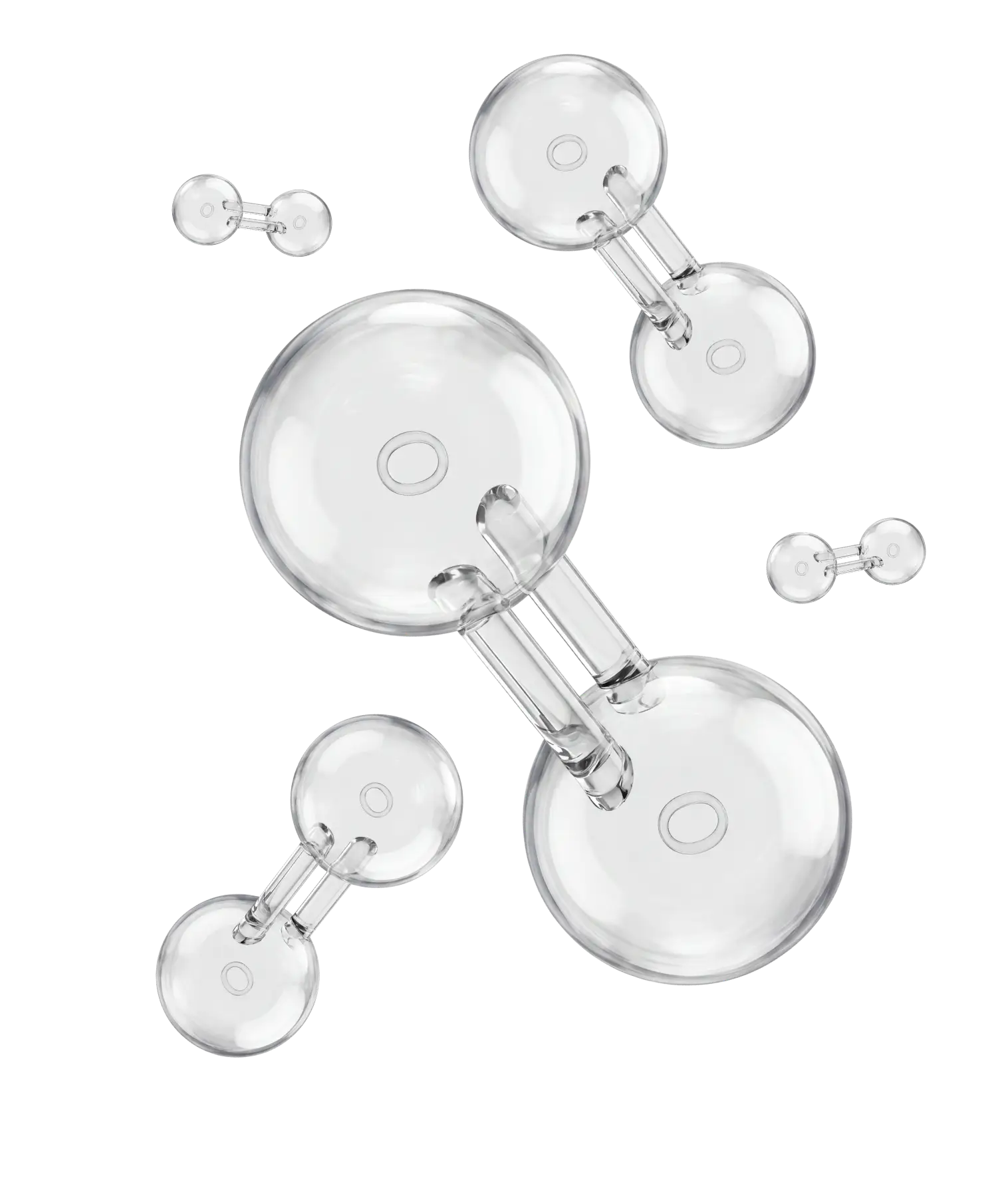
We recently developed a customizable hyperbaric oxygen device, capable of applying HBOT for in vitro and small animal investigations. This innovative technology, HyBOx 2.0, consistently monitors HBOT treatment progression, storing experimental data in a secure cloud platform.
Investigators can now rely on experimental HBOT data, as HyBOx 2.0 is customizable and easily transferable between locations to perform varying laboratory studies. Its digital capabilities and one-touch features allow for remote research activation and monitoring. Through Bluetooth connectivity, researchers can access the device’s progression anywhere and anytime.
Our Products:
HyBOx 2.0 Device
HBO Research Database
Our services include business process re-engineering to improve operational efficiency while decreasing administrative expenses in:
Improve healing after dental and oral surgeries. It enhances the effects of antibiotics by reducing inflammation, fighting infection, and regenerating tissues. HBOT can speed up recovery by up to 75% and significantly boost surgical success rates.*
HBOT accelerates tissue regeneration and reduces post-operative infection in complex reconstructive procedures. For patients experiencing complications such as necrosis or graft failure, oxygen therapy supports healing at the cellular level — improving
outcomes and reducing recovery time significantly.
Can reduce depression symptoms and improve quality of life. The increased oxygen levels help the brain heal and function better. HBOT may also promote new brain cell growth, reduce inflammation, and boost mood and mental clarity.
Chronic inflammation is at the root of many debilitating conditions. HBOT has shown
promising results in reducing systemic inflammation, supporting cellular repair, and
improving quality of life for patients with conditions unresponsive to standard therapies — with implications for healthy aging and longevity.
Christina Jordan started her career teaching chemistry in the Mississippi public high schools. That same passion for helping others led her to pursue a Ph.D. in Clinical Health Science at the University of Mississippi Medical Center and a career in research.
Alongside her husband, Sean, an engineer, with 25 years of experience working for Fortune 100 companies, they started Jordan Analytics & Research to help patients enhance their quality of life and increase their longevity.
Jordan Analytics & Research began with a daughter’s love and a scientist’s determination.
Dr. Christina Jordan, Ph.D. — inspired by her mother, Lusia H. Stewart — spent over a decade in research pursuing a singular mission: to bring hyperbaric oxygen therapy to patients who have run out of options. What started as a personal calling became a company, and what started as a company is becoming a movement.
Growing up one of four siblings, Dr. Jordan learned early that nothing meaningful gets built alone. That’s why she turned to the people she trusted most —closest collaborators — to help bring HyBOx 2.0 to life and carry this mission forward.
Her mother, Lusia Harris Stewart, was a pioneer in her own right — a woman whose strength, grace, and legacy continue to inspire everything JAR stands for. We invite you to learn more about her remarkable story and to support the causes she cared about most.

Ph.D. in Clinical Health Science

Dr. Nikki Delk (PI, UT Dallas) is an ACS Research Scholar Award grantee and will conduct in vitro testing of HyBOx 2.0. Dr. Delk has 20 years of molecular, cell biology and cancer biology experience. Her research background includes Inflammation-mediated breast and prostate cancer cell survival and treatment resistance mechanisms, including autophagy and Sequestome-1 functions.

Sean P. Jordan brings over 15 years of engineering and project management experience, including infrastructure design and operations at AT&T. A Six Sigma Green Belt, Sean oversees engineering operations at JAR, ensuring the development and deployment of HyBOx technology meets the highest standards of precision and reliability.

Kylah Reliford is a Biomedical Engineering graduate who recently joined the JAR team as a coder for the organization’s most recent project. Kylah holds a Bachelor of Science in Biomedical Engineering from The University of Texas at Dallas, with a minor in Biology, and has a strong foundation in both computational tools and scientific research.
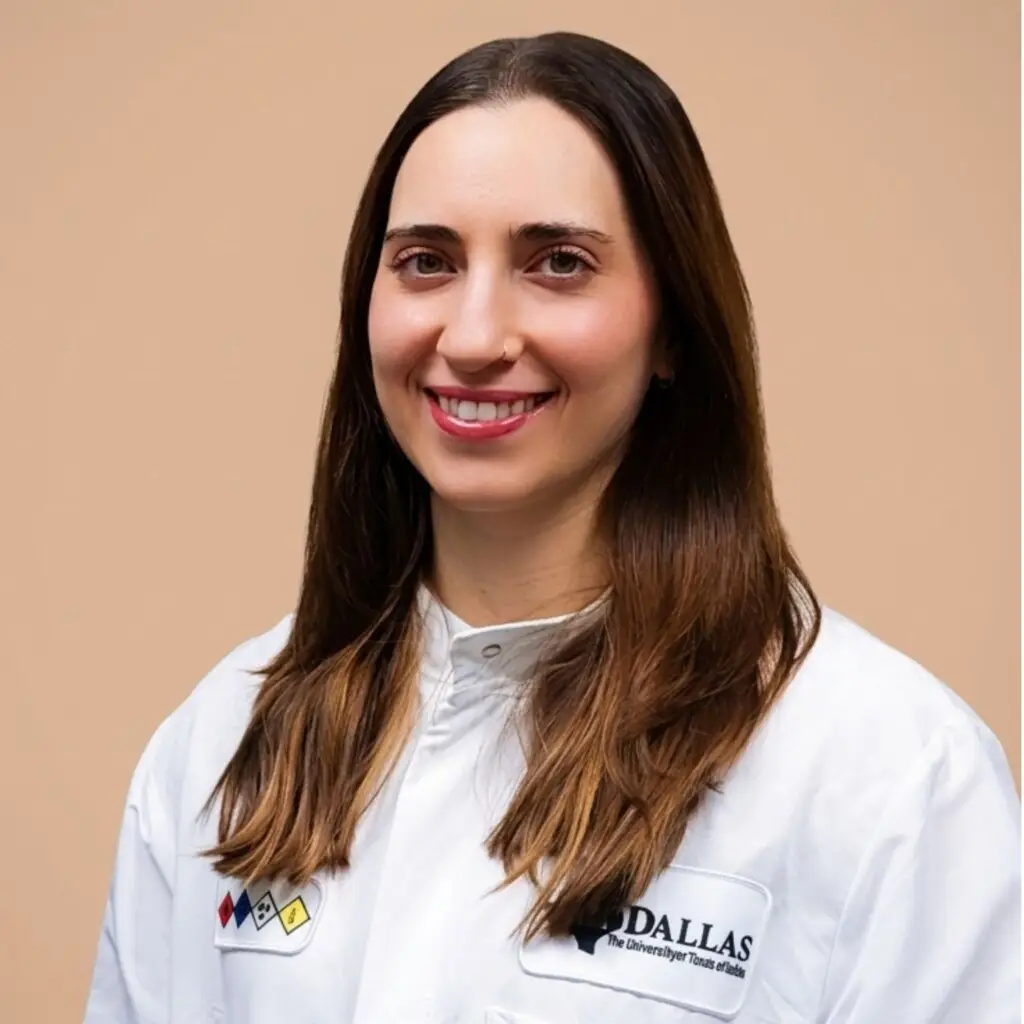
Rafah Falah is currently pursuing a Doctor of Philosophy in Cell and Molecular Biology at the University of Texas at Dallas, May 2026. She conducts cancer research in the Delk Lab, focusing on the impact of chronic inflammation on breast cancer progression with the aim to understand the molecular pathway by which inflammation can lead to treatment resistance and tumor aggression.

“After six rhinoplasty surgeries — including two prior infections and necrosis that destroyed my graft — my revision surgeon recommended hyperbaric oxygen therapy. The difference was remarkable. No infection this time, faster healing, and I finally feel like myself again. This therapy genuinely changed my life.”
Rhinoplasty Revision
In a clinical study of 40 patients with complex wounds, 77.5% achieved complete healing following hyperbaric oxygen therapy — with wound size reducing by nearly 30% after just five treatments.
A 2024 review published in MDPI found that HBOT significantly improves skin graft survival by reducing ischemia and infection — with results showing meaningful reductions in major complications compared to standard care alone.
Sources: Journal of the American College of Clinical Wound Specialists; MDPI Surgical Sciences, 2024
We’re currently raising pre-seed and looking for partners to help us achieve our mission.